 -
-
 Logout



Aperio iQC DX Software – AI-Powered Whole Slide Imaging Quality Control


Overview
From Artifact to Accuracy – Quality Control Where You Need It
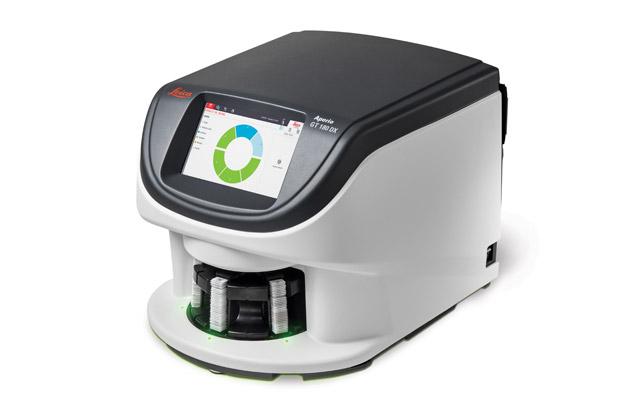
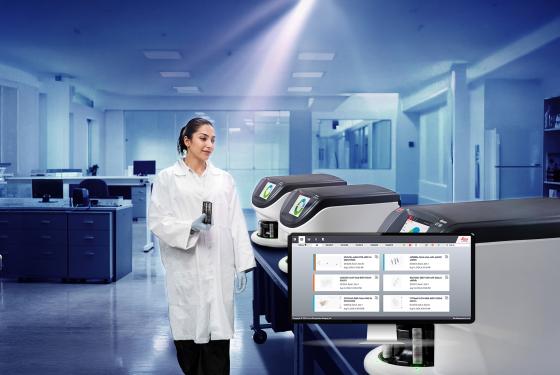
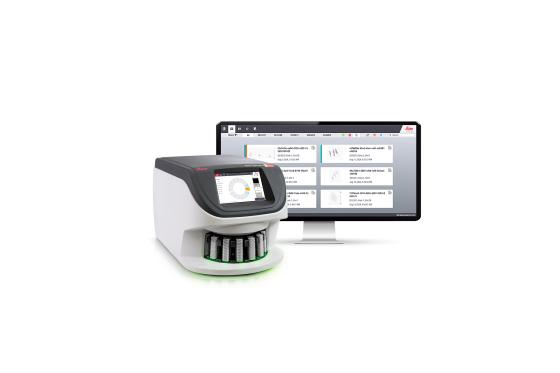
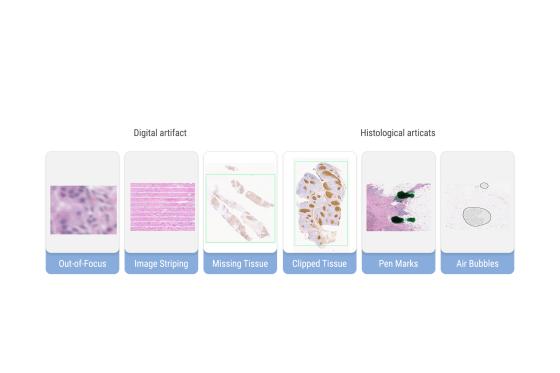
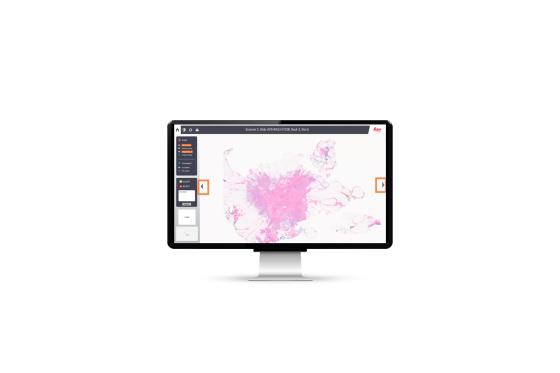
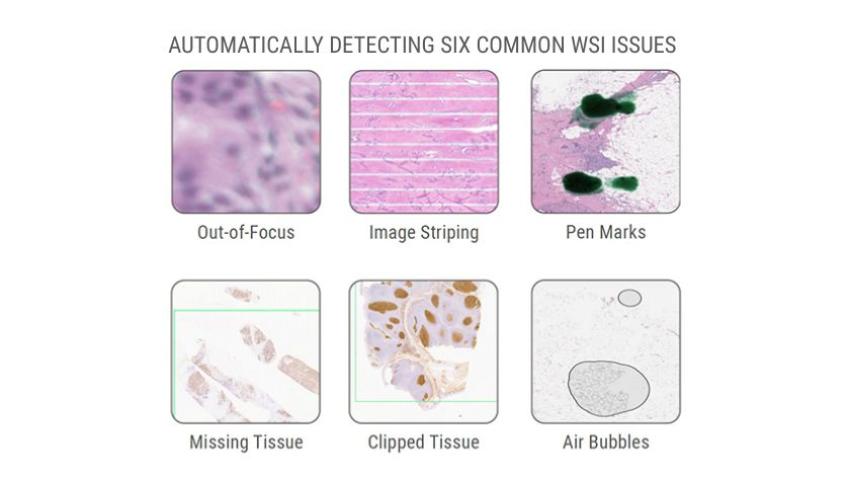
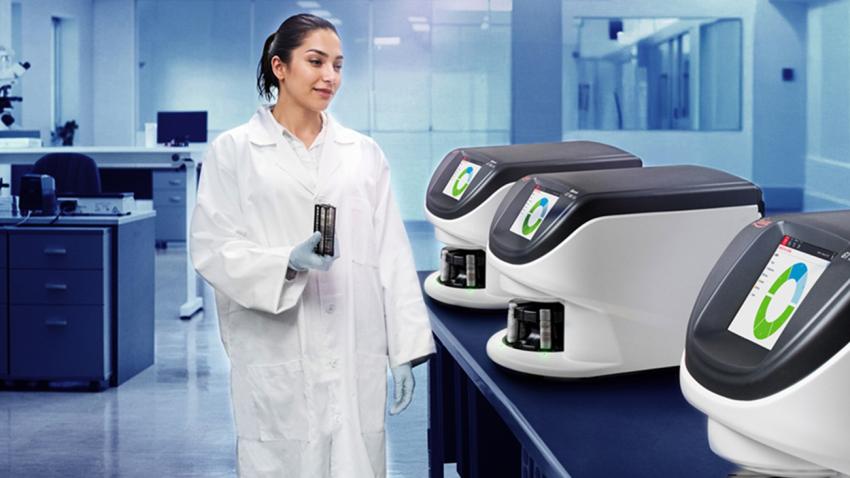
Seamlessly integrated with the Aperio GT series of scanners, Aperio iQC DX software enables rapid detection of six common quality issues. Pop up alerts are displayed on the scanner console, while slides are still on the scanner, ensuring that quality control is embedded directly into the digital pathology workflow. With intelligent automation, Aperio iQC DX software ensures consistent artifact detection and categorization across tissue types and staining protocols.
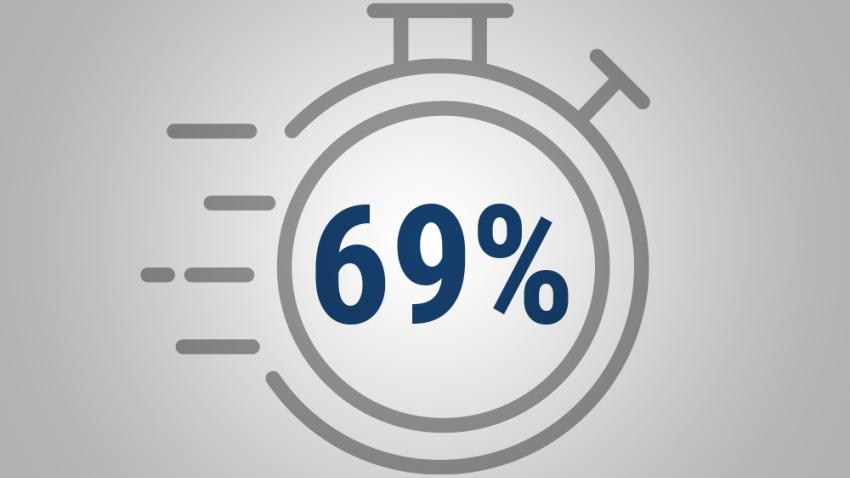
The intuitive dashboard enables rapid artifact review, reducing histotechnician QC time by up to 69%*, and freeing up skilled personnel for higher-value tasks. Aperio iQC DX software not only enhances operational efficiency but also builds confidence in slide quality — making it a vital tool for clinical pathology labs committed to excellence at scale.
For In Vitro Diagnostic Use.
*Based on a Real-World Data Study with Institute of Pathology, Heidelberg University.
Features
Still Inspecting Slides by Eye? There’s a Smarter Way.
Traditional quality control (QC) in digital pathology is manual, subjective, and resource intensive. Histotechnicians must visually inspect every whole slide image (WSI) for issues like air bubbles, pen marks, and scanning errors—an approach that is time-consuming and prone to variability. These digital and histological artifacts disrupt workflows and compromise accuracy.
The Aperio iQC DX software module, AI-powered quality control, is designed for the Aperio GT scanner series, and augments manual QC with fast, automated artifact detection of six most frequent quality issues. By identifying issues early, labs can:
- Reduce WSI review time
- Reallocate skilled staff to higher-value tasks
- Improve overall lab efficiency
Faster Slide QC for Increased Efficiency
Aperio iQC DX software reduces hands-on time for histotechnician review by 69%*, freeing up time for more valuable tasks.
Only 5–8% of slides typically have quality issues, yet labs spend an unnecessary amount of time reviewing them. With Aperio iQC software, you can stop wasting time on artifact-free slides and start zeroing in on the ones that truly need attention.
*Based on a Real-World Data Study with Institute of Pathology, Heidelberg University.
Time-Saving Pathology Workflow Enhancements
- Designed to minimize the time histotechnicians spend reviewing WSIs, allowing faster turnaround and higher throughput
- Intuitive color coding to represent the artifacts type, histological or digital
- Standardize QC processes across users and shifts, reducing variability and improving operational efficiency.
Quality Control Where You Need It
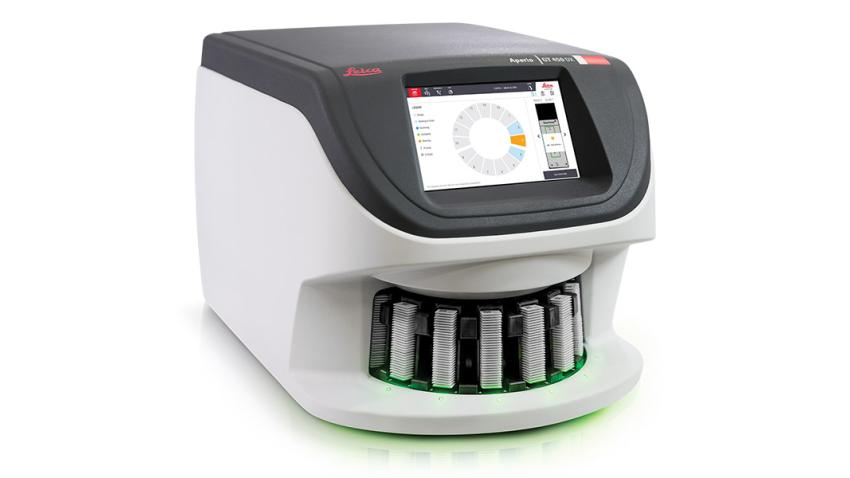
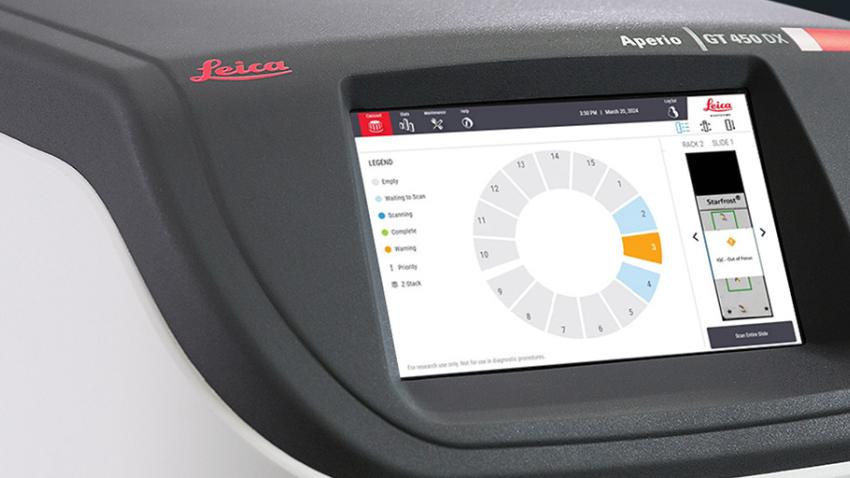
Aperio iQC DX software automatically checks scanned H&E and IHC slides from connected Aperio GT scanners. Slides are processed within 31 seconds* after scanning, with detected artifacts sent to the Aperio iQC DX dashboard and scanner, enabling Histotechnicians to assess the underlying issue before the slide is removed from the scanner. Users can approve or reject the whole slide images and leave comments in the Aperio iQC DX dashboard for each scan.
*31 second average for a 15mm X 15mm area
Detected issues are clearly indicated on the scanner console and Aperio iQC DX dashboard for review. (Refer to the image above)
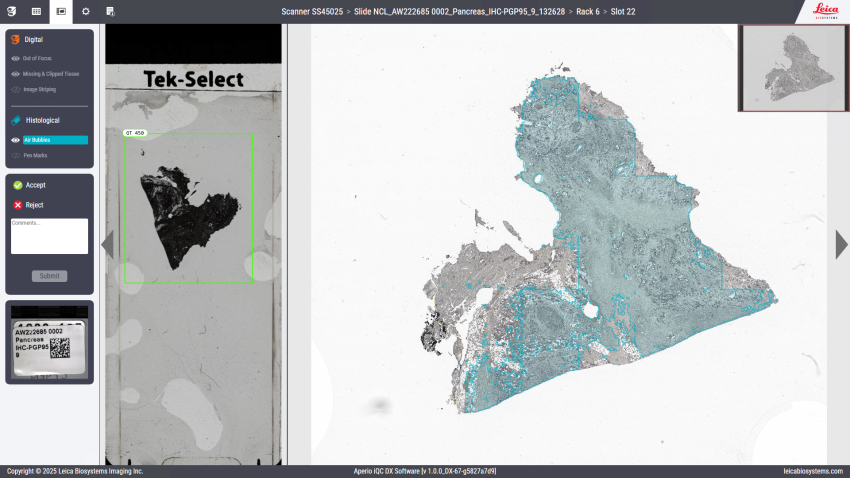
Visual Intelligence for Smarter Reviews
A centralized dashboard with intuitive visual indicators enables rapid quality assessment, helping technicians identify root causes of slide prep and digital errors, empowering labs to implement effective countermeasures.
Consistent and Standardized WSI Quality Control
Aperio iQC DX Software delivers measurable value by transforming quality control in digital pathology from a manual, subjective task into a streamlined, automated process.
- Automatic detection of histological or scanning artifacts
- Artifacts identified as early in the workflow as possible
- Reduce time and staff required for quality control
- Centralized dashboard & visual indicators for rapid review
- Provision of quality metrics for lab tissue/digital preparation
Downloads
Similar Products
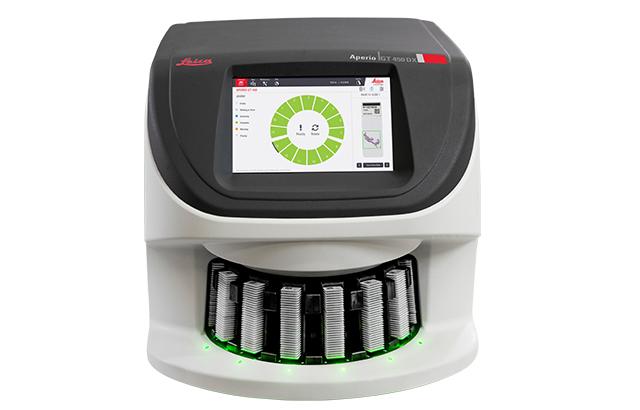
Aperio GT 450 DX System