



Digital-Ready Slides
Glass: The Clear Choice for AI-Ready Digital Pathology
As digital pathology adoption grows, glass coverslips help deliver the clarity and consistency needed for efficient workflows and advanced tools, making them the trusted choice today and for future AI-ready applications.
When digital imaging and AI analysis depend on every pixel, “good enough” risks missed details and wasted time.
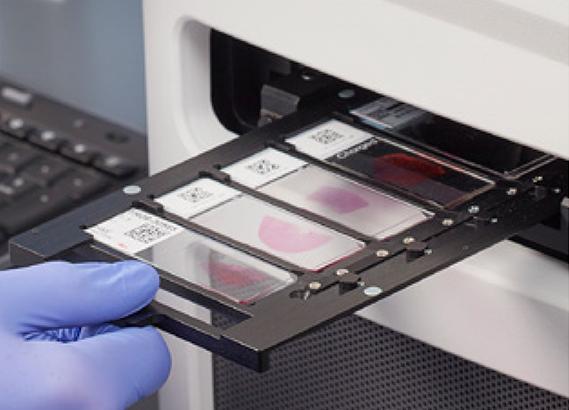
The following comparison highlights the strengths and limitations of glass and film.
Glass
|
Film
|
|
Highly Stable and Uniform SurfaceMaintains a smooth profile, crucial for consistent and reliable digital focusing. |
Irregular and Rippled SurfaceShows height variations that compromise image consistency and quality. |
|
Image

Optimized for AI and EfficiencyCleaner scans reduce the need for rescans, saving time and enabling accurate AI analysis |
Image

Risk of Inefficient WorkflowsCan lead to suboptimal scans, reducing lab efficiency and requiring time-consuming rescans. |
Why Glass
|
Study Highlights
|
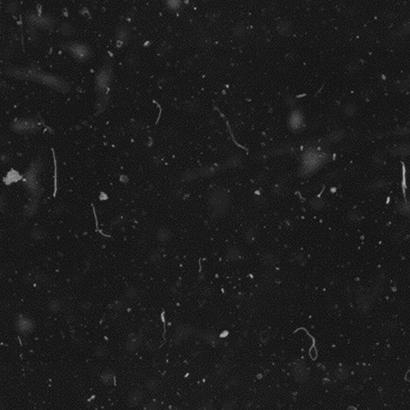
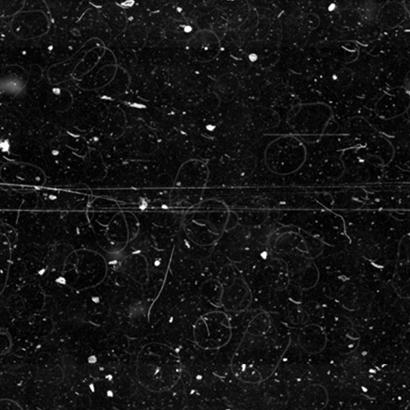


The Leica Biosystems Advantage: Designed for Digital Readiness
|
|
Snowcoat Slides |
|
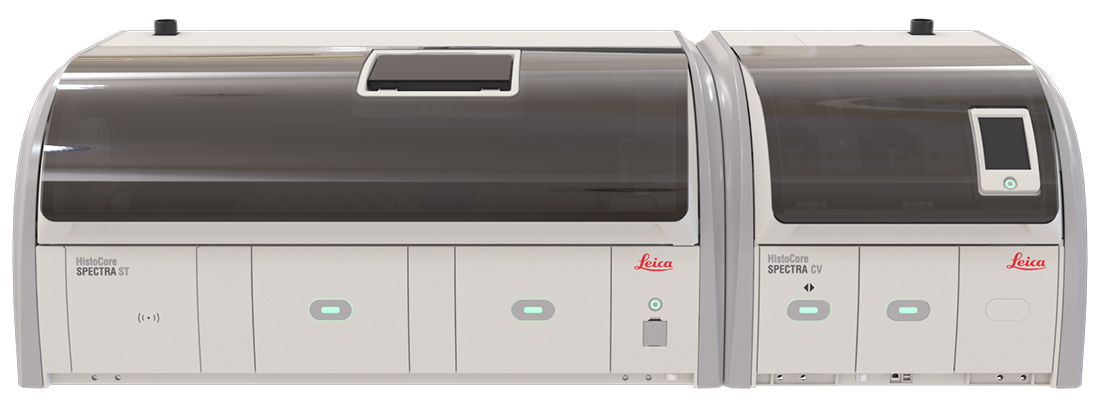
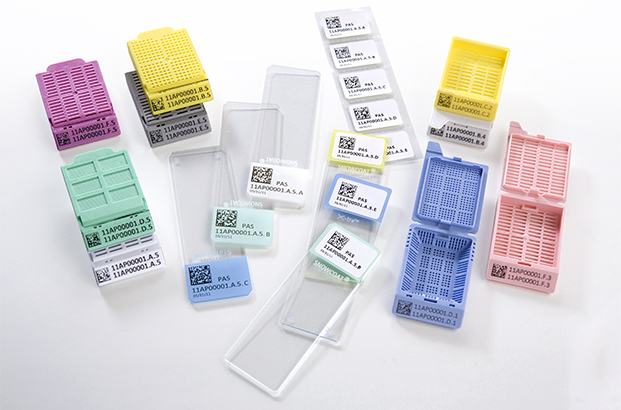
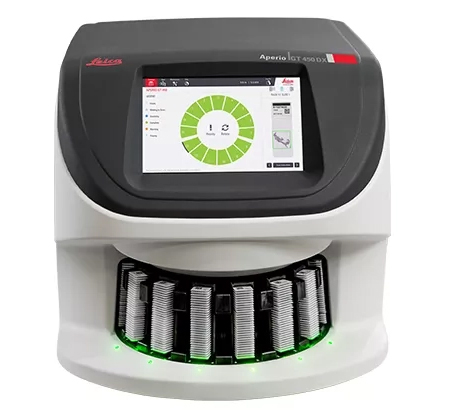
Our expertise in pathology workflows enables us to deliver integrated solutions - including digital-ready glass coverslips - that streamline operations today and position laboratories for a digital, AI-powered future.
* Study on the performance of different cover glasses in microscopy, conducted by a renowned institute in Jena, Germany. Commissioned by Leica Biosystems GmbH, Nussloch, Germany; September 2025. Sample size: 6 total samples (3 with cover glass, 3 with cover film).
For In Vitro Diagnostic Use
Related Content

Leica Biosystems content is subject to the Leica Biosystems website terms of use, available at: Legal Notice. The content, including webinars, training presentations and related materials is intended to provide general information regarding particular subjects of interest to health care professionals and is not intended to be, and should not be construed as, medical, regulatory or legal advice. The views and opinions expressed in any third-party content reflect the personal views and opinions of the speaker(s)/author(s) and do not necessarily represent or reflect the views or opinions of Leica Biosystems, its employees or agents. Any links contained in the content which provides access to third party resources or content is provided for convenience only.
For the use of any product, the applicable product documentation, including information guides, inserts and operation manuals should be consulted.
Copyright © 2026 Leica Biosystems division of Leica Microsystems, Inc. and its Leica Biosystems affiliates. All rights reserved. LEICA and the Leica Logo are registered trademarks of Leica Microsystems IR GmbH.