


개요

Product SKU:23GT180
It's Time for a 180 - Because Proven Technology Means Better Pathology

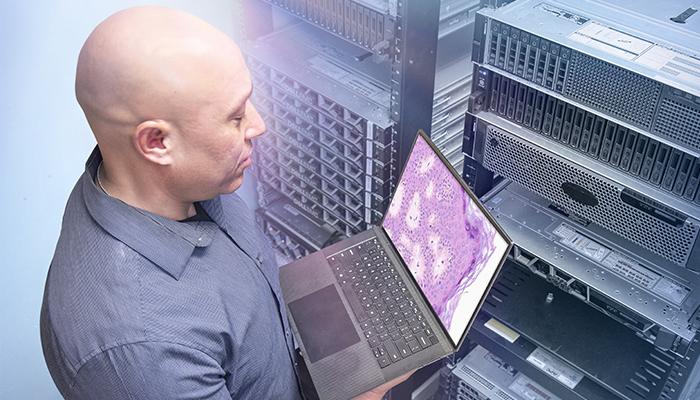
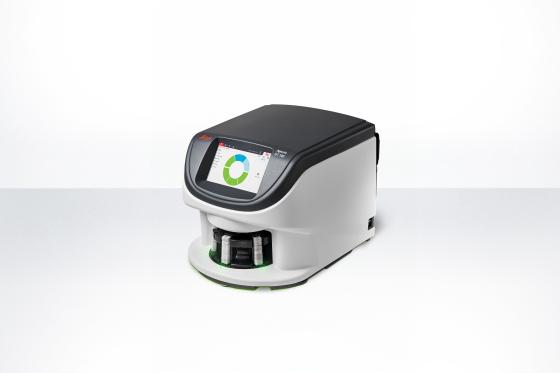
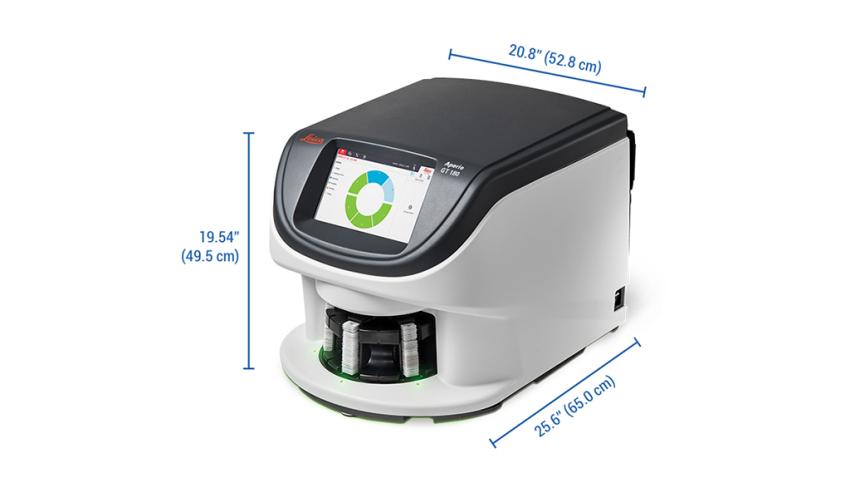
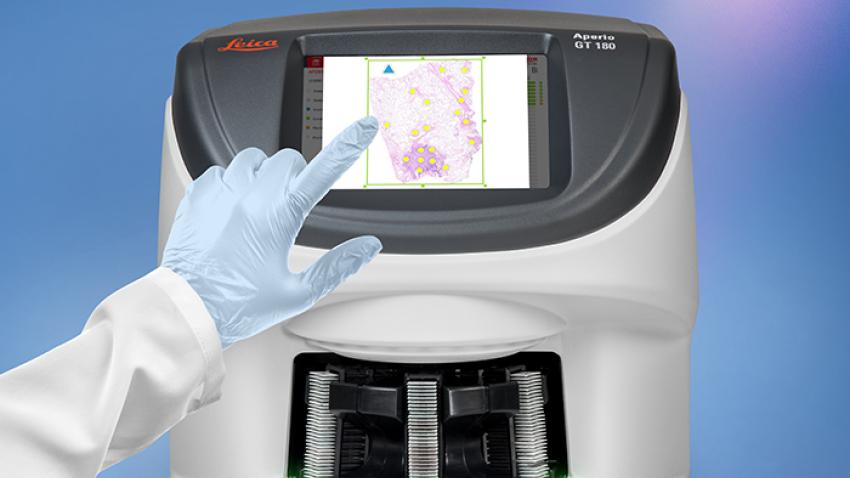
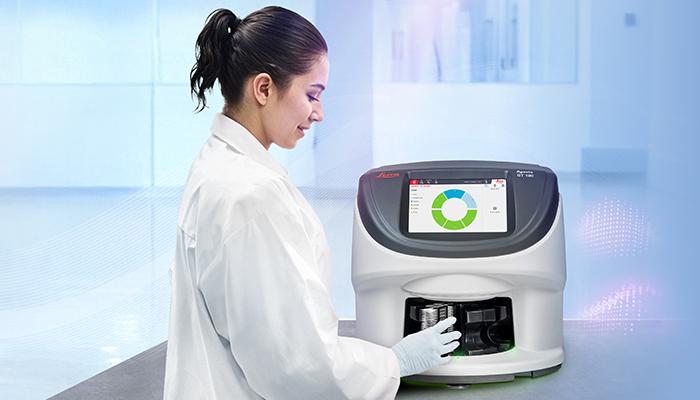
The Aperio GT 180 scanner delivers the proven image quality and speed of trusted Aperio scanners in a design that works for your lab.

For many researchers, the shift to digital pathology still feels like a daunting task. Teams are navigating increasing pressure to do more with less, all while balancing tight timelines and growing expectations around collaboration and consistency. Modern labs need a digital pathology slide scanner that’s compact, cost-effective, and capable of delivering high-quality results without expert-level training.

Key Features and Benefits of the Aperio GT 180 Scanner

  • Compact, Integrated Design – Built-in touchscreen; no external PC or monitor required.
  • Easy-to-use - limited training required
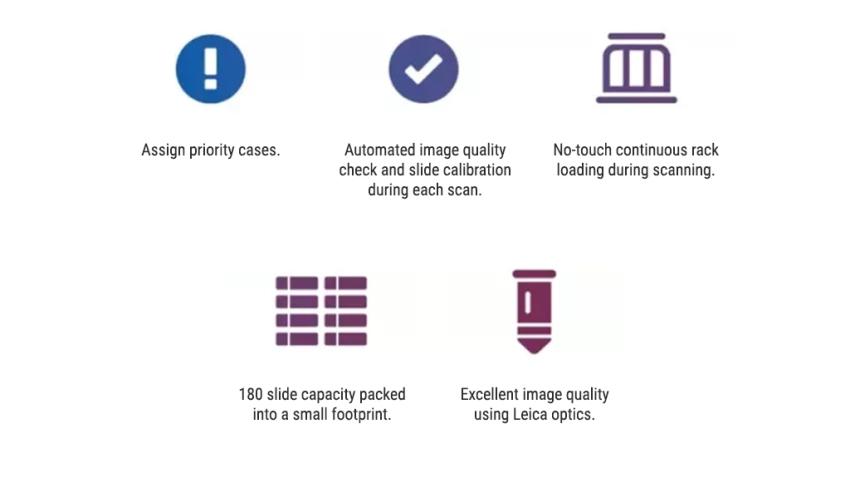
  • Mid-Capacity Loading – Scans up to 180 slides with continuous rack access.
  • Proven Optical Quality – Leica optics deliver sharp, high-quality whole slide images.
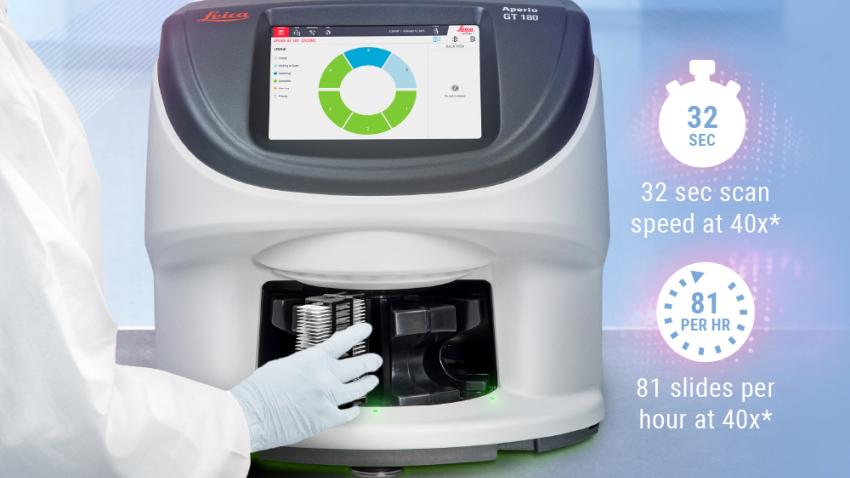
  • Fast Scanning – Scans a 15mm x 15mm area in 32 seconds at 40x.
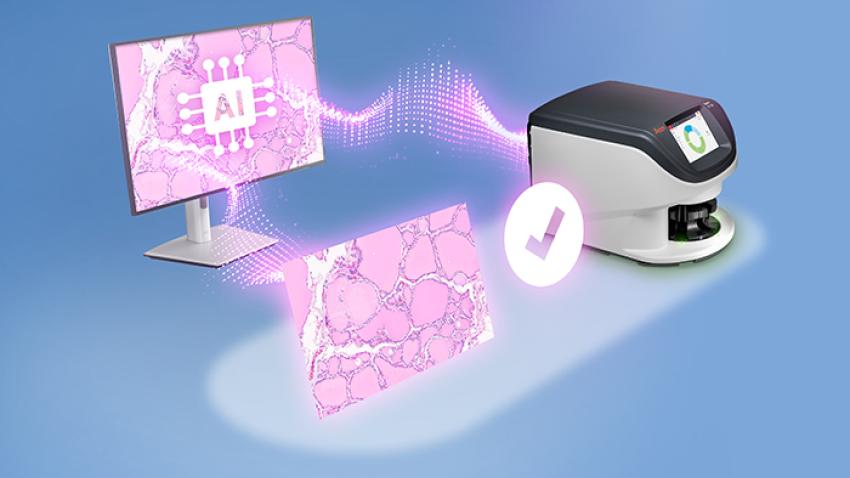
  • AI Quality Control* – Aperio iQC Software detects and flags image issues.
  • Manual Scan & Extended Focus* – Optional tools for image clarity and fine adjustments.
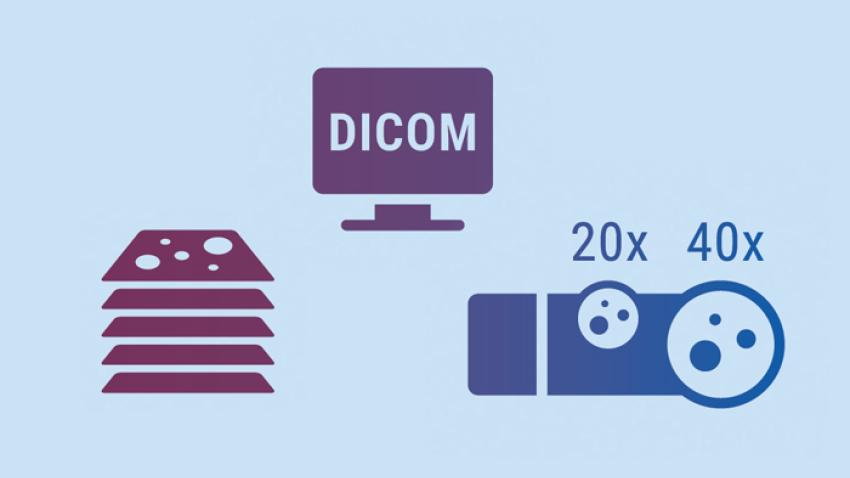
  • DICOM & Z-Stack Support* – Optional 20x/40x scanning and multi-layer viewing.
  • Workflow Integration – Compatible with .svs/DICOM formats and 1D/2D barcodes.
사용자 문의 견적이 필요하시면   00 308 321 0320 번으로 전화하여 담당자와 통화하십시오.

For Research Use Only. Not for Use in Diagnostic Procedures.
*Optional Features
Aperio iQC Software is now available in certain countries/regions only. Contact your Leica Biosystems representative for more information.


기능

Built for your Lab
Continuous Slide Rack Loading
Advanced Digital Pathology Features
Aperio iQC Software*
Manual Slide Scanning*
Extended Focus*
Default Calibration Point
DICOM with 20x,40x and Z-Stack*

It’s Time for a 180 Because Proven Technology Means Better Pathology

The Aperio GT 180 scanner is designed to bring digital pathology within reach, whether you’re driving innovation in research, managing daily lab operations, or ensuring IT systems run smoothly. 25+ years of digital pathology expertise can help everyone in your lab take the next step into digital pathology with confidence.

Proven Pathology Technology for Researchers

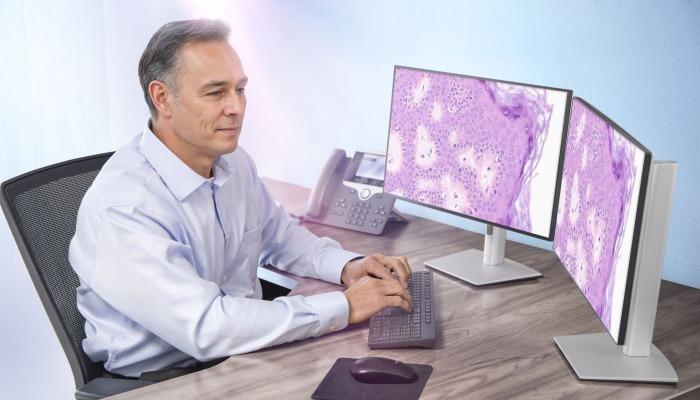
Gain deeper insights with high-quality digital slides, ensuring precision and reproducibility with expertly crafted Leica optics. Experience seamless integration into research workflows, enabling effortless collaboration and more efficient analysis.
Image
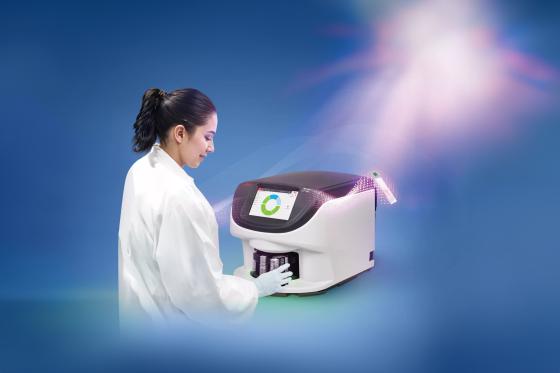
Aperio GT 180 Slide Scanner - Proven Technology for Researchers

Proven Pathology Technology for Lab Managers

Easy to use and intuitive to learn, the continuous loading, high-automation, and small footprint enables labs to enjoy a smooth, stress-free digital pathology workflow. Advanced feature options such as Manual Scan, for challenging slides, and Aperio iQC software, to streamline quality control.

Image
Proven-Technology-for-Lab-Managers-700x400

Proven Pathology Technology for IT Managers

Secure, scalable, and easy to integrate; seamlessly connect the Aperio GT 180 scanner to your lab’s existing systems and infrastructure and leverage the widely used .svs or standardized DICOM file format for rapid integration with downstream software.

Image
Proven-Technology-for-IT-Managers-700x400

Unrivaled Whole Slide Image Quality

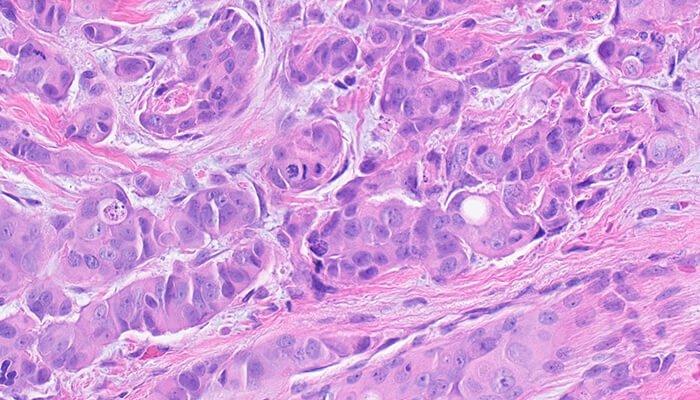
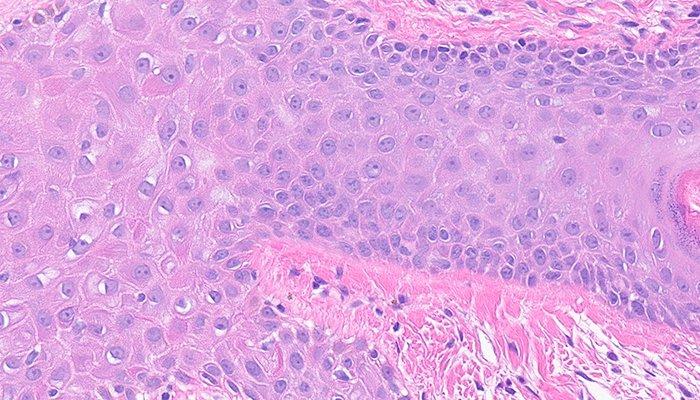
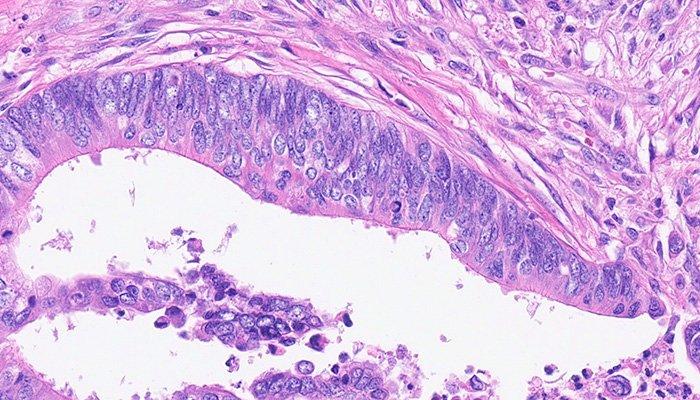
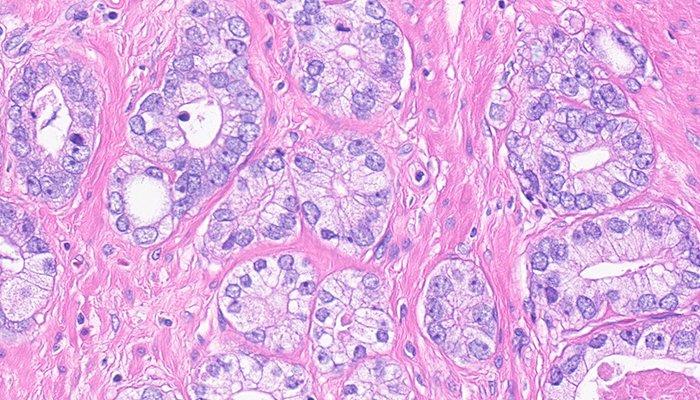
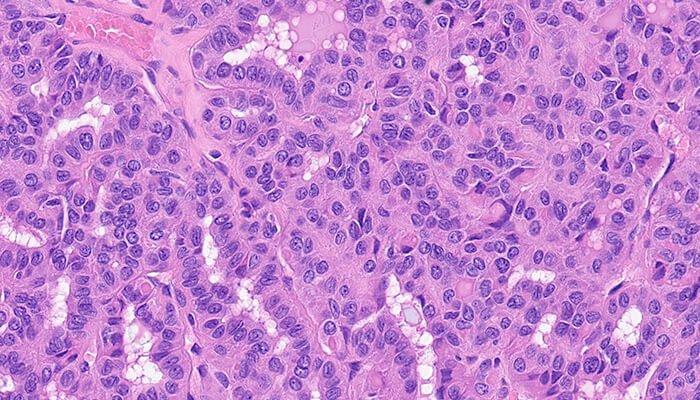
Capture every critical detail with exceptional clarity, from cellular grooves and chromatin structure to intracellular bridges in H&E, or crisp, clear images of your IHC, ISH, and brightfield multiplex slides.

Image
Mitotic Events (Breast)
유사분열 사례(유방)
Image
Intercellular Bridges
세포간 브릿지
Image
Chromatin
크로마틴
Image
Nucleoli
뉴클리올리(핵소체)

Precision, Potential to Scale, and Peace of Mind

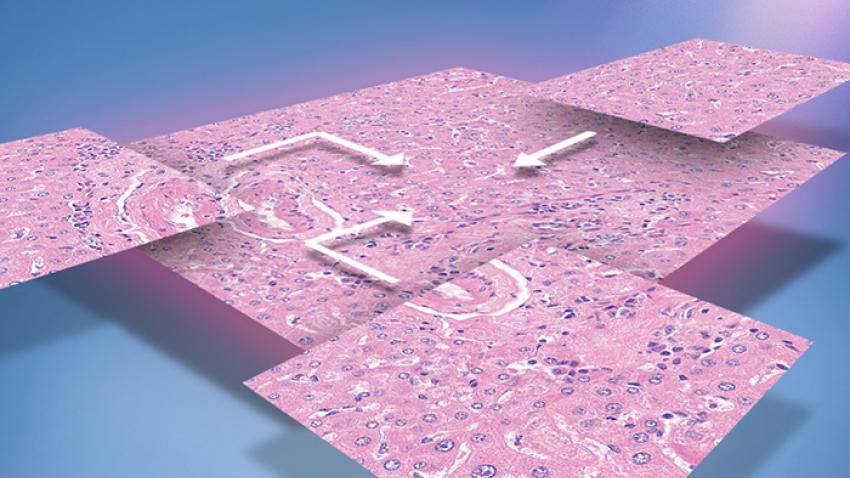
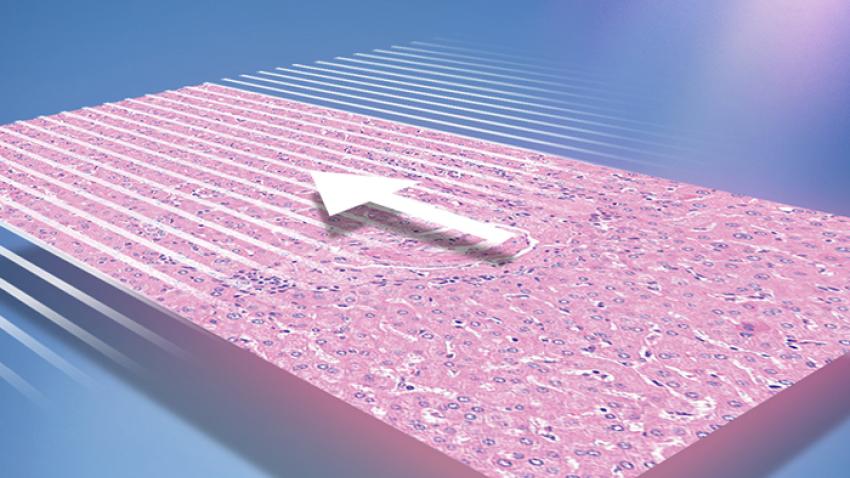
Digital pathology scan speeds have not always been fast enough at 40x magnification to keep up with high-volume scanning (120k+ slides per year). Real-Time Focusing (RTF)** offers a potential solution to this problem. It’s a novel method to capture a digital image that combines an imaging line sensor and a focusing line sensor.

  1. While scanning, the focusing line sensor receives focusing data of the tissue.
  2. Proprietary algorithms determine the best focus value.
  3. Then, each best focus value is treated like a control loop with the mechanics, feeding the best focus value to the objective height on the fly.
  4. The positioning adjustments of the objective are performed continuously (in real time) in order to enable the imaging line sensor to capture the image at its best possible focus. Hence, real time focusing.

**US Patent no. 9,841,590

Image
Cellular Groves (Thyroid)
세포 안의 핵이 접히는 현상(갑상선)

사양

Summary of Specifications
Environmental Specifications